New federal money adds 200 positions over four years
Federal Health Minister Marjorie Michel and Ontario Deputy Premier and Health Minister Sylvia Jones announced on October 7 that Ottawa will put more than $31 million into six projects designed to help internationally educated health professionals join Canada's health workforce faster. The largest share, $20 million, goes to expanding Practice Ready Ontario.
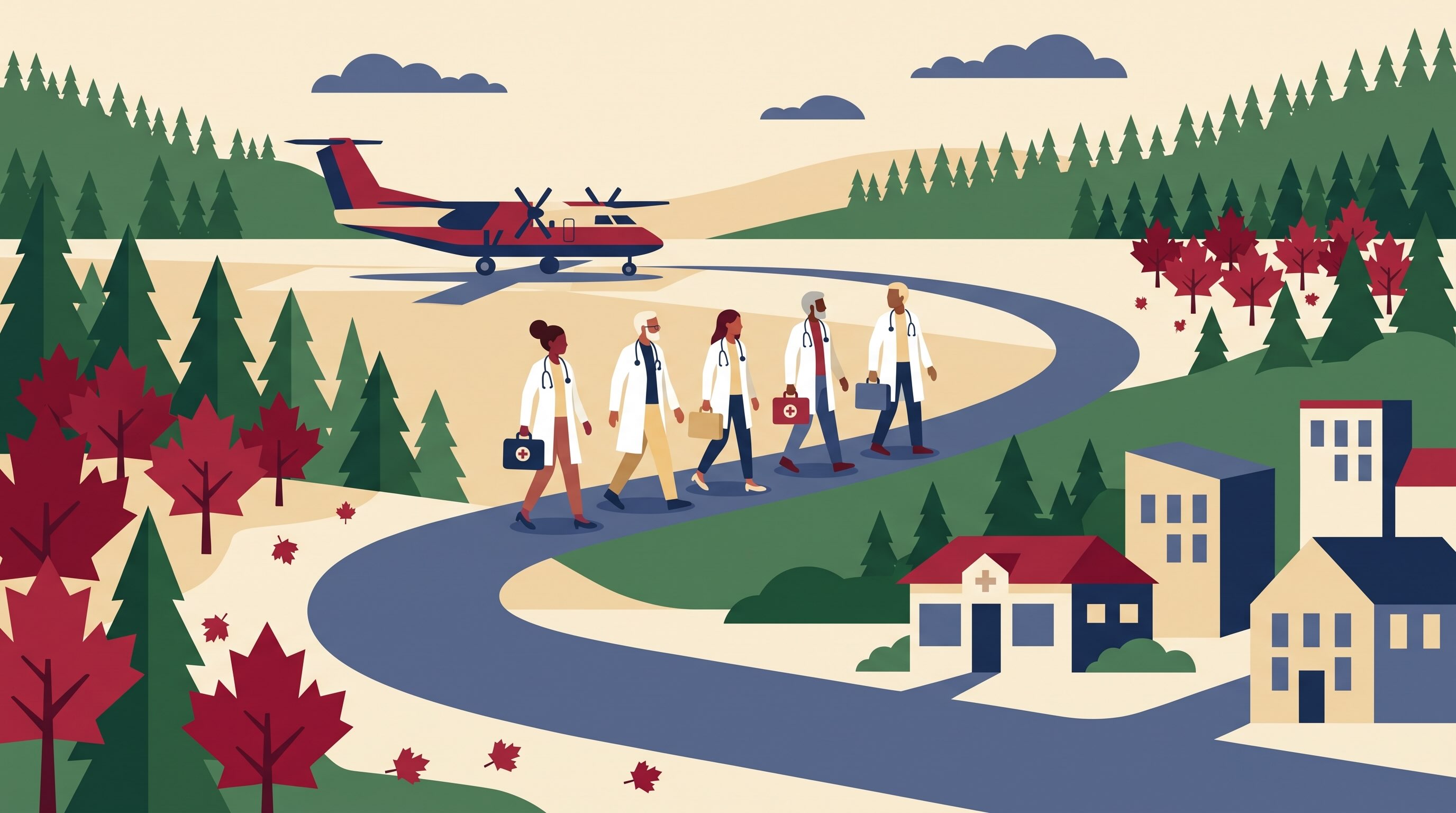
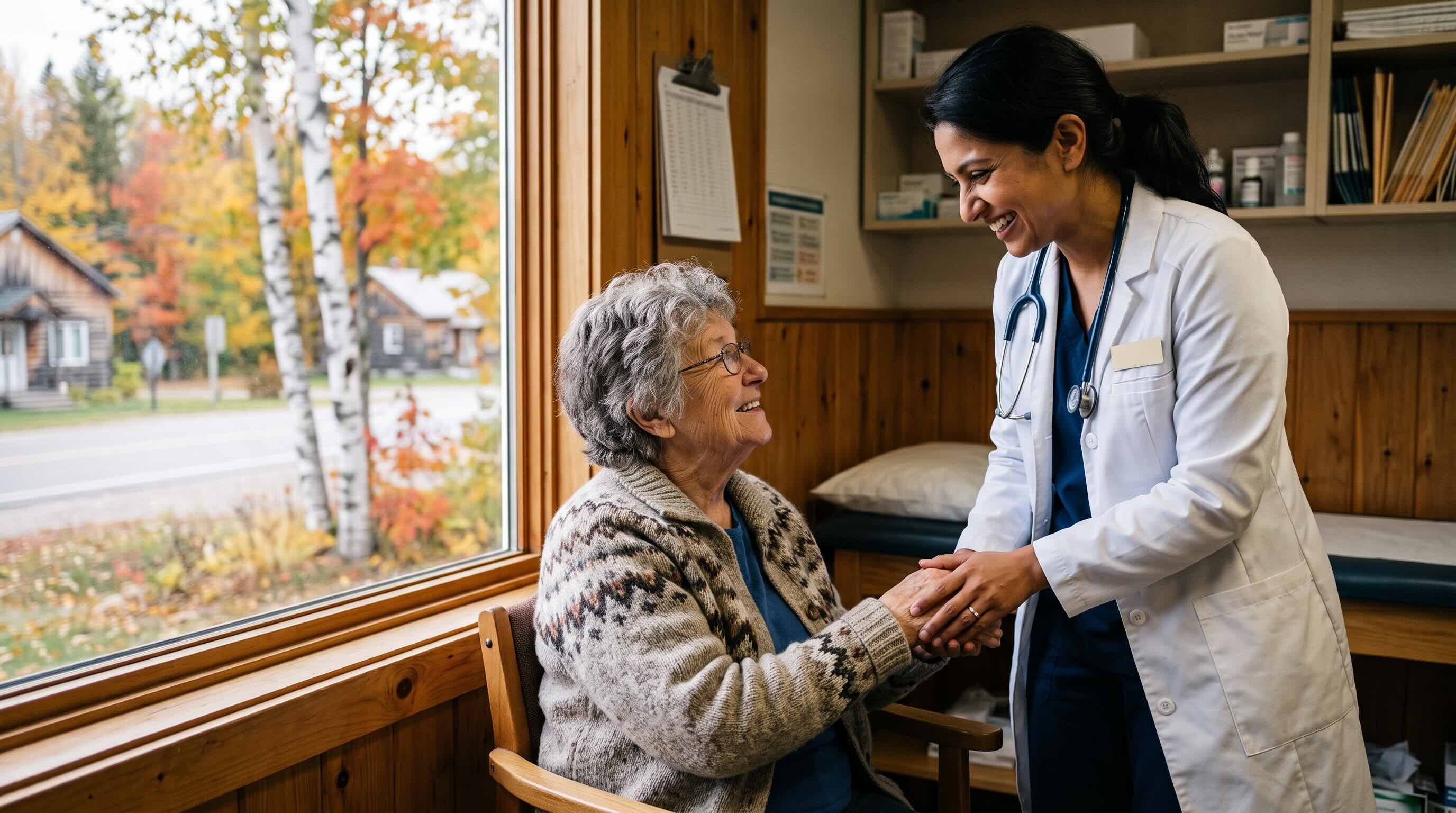
According to Health Canada, the money will support "the creation of 50 additional positions per year, over four years," resulting in up to 200 new family physicians ready to work in the province by 2028–29. The department said a key focus will be "to improve access to primary care in underserved northern and rural regions, as well as Francophone communities in Ontario," supported by a specific stream for French-speaking internationally educated family physicians.
The federal contribution sits on top of Ontario's own investment. Jones said the province is putting more than $25 million into PRO to support 150 participants annually starting in 2026/27, as part of its goal of connecting everyone in Ontario to primary care by 2029.
A 12-week assessment instead of residency
Launched in June 2023, PRO is administered by Touchstone Institute, a Toronto-based non-profit, in partnership with the Government of Ontario, Ontario Health and the College of Physicians and Surgeons of Ontario (CPSO), the licensing body for all physicians in the province. The program follows the Medical Council of Canada's (MCC) pan-Canadian standards for practice-ready assessment.
Rather than repeating roughly two years of family medicine residency, candidates who already have independent practice experience abroad demonstrate their competence through a 12-week clinical field assessment in an Ontario community. From application to the start of practice, the process can take less than a year, compared with three to five years on other routes to licensure.
According to the program website, applicants must meet baseline requirements including:
- Canadian citizenship or permanent residence
- A medical degree from a school listed in the World Directory of Medical Schools
- Proof of English language proficiency
- The Licentiate of the Medical Council of Canada (LMCC), required MCC examinations and the Therapeutics Decision-Making (TDM) exam
- At least 48 months of combined postgraduate training and independent practice as a family physician
- At least 960 hours of family medicine practice in the past three years
Selection is competitive, and meeting the minimum requirements does not guarantee a place.
Three years of return of service before full licensure
Before starting the clinical assessment, candidates must sign a three-year return of service (ROS) agreement with Ontario's Ministry of Health, committing to practise in an eligible Ontario community. During that period they hold a licence for supervised practice. Full licensure for independent practice follows once they have completed the agreement and passed the CFPC's Certification Examination in Family Medicine (CCFP).
$11 million for five national projects
The same announcement directed about $11 million to five other projects across Canada that will give internationally educated physicians, nurses, occupational therapists and physiotherapists better resources and practical tools for navigating provincial and territorial licensing. The organizations involved include the Canadian Association of Occupational Therapy, the Canadian Alliance of Physiotherapy Regulators, the National Nursing Assessment Service, the Medical Council of Canada and the College of Family Physicians of Canada.
Ottawa says internationally educated health professionals often face lengthy, costly and complicated credential recognition. Statistics Canada estimates that only about 60% of those employed in Canada are working in the field they trained for. Budget 2024 set aside up to $77.1 million to help integrate them into the health workforce, and Budget 2025 committed $97 million over five years to a new Foreign Credential Recognition Action Fund.
Immigration and licensing moving in tandem
The PRO funding is part of a broader federal-provincial effort to recruit and integrate front-line medical professionals, working through both immigration policy and licensing reform.
On the immigration side, Immigration, Refugees and Citizenship Canada (IRCC) announced a package of measures for doctors on December 8, 2025:
- A dedicated federal permanent residence pathway through a new Express Entry category for Physicians with Canadian Work Experience
- An additional 5,000 spaces for physicians under provincial and territorial nominee programs
- 14-day work permit processing for physicians nominated by a province or territory
The category went live in 2026. As of publication, IRCC has held three physician draws, issuing 891 invitations to apply (ITAs):
- February 19: 391 invitations, minimum Comprehensive Ranking System (CRS) score of 169
- June 24: 271 invitations, minimum CRS of 223
- September 3: 229 invitations, minimum CRS of 198
On the licensing side, new Ontario legislation took effect on January 1, 2026, allowing physicians, surgeons and nurses licensed in other provinces to be authorized to practise in Ontario in as little as two business days once their credentials are validated. A range of other regulated professions can obtain authorization in as little as 10 days.
Why licensing is a provincial matter
Most regulated professions in Canada, including health care, law, engineering and most skilled trades, are licensed by the provinces. Comparatively few private-sector occupations, such as pilots, aircraft mechanics and air traffic controllers, are subject to compulsory national licensing by the federal government. That is why Ottawa's role in easing doctor shortages runs mainly through funding and immigration, while provincial regulators continue to set the bar for who can practise.