
Nova Scotia Overhauls Provincial Nominee and AIP Selection System with New EOI Model
On November 28, 2025, Nova Scotia announced a major shift in its immigration intake system, confirming that all submissions under the Nova Scotia Provincial Nominee Program (NSPNP) and the Atlantic Immigration Program (AIP) will now be processed through an Expression of Interest (EOI) model. Under the new rules, all submissions—regardless of submission date—are considered EOIs, and having a case ID or meeting eligibility criteria no longer guarantees file processing. The province will conduct periodic draws based on current labor market and economic priorities, with priority sectors such as healthcare, construction, trades, STEM, natural resources, and manufacturing. The shift aligns with broader trends driven by reduced provincial nomination allocations from IRCC. With increased immigration targets set for 2026, applicants may soon see improved chances of receiving selections.
12/03/2025

Overview of Canada’s Business Immigration Pathways: Federal and Provincial Options for Investors and Entrepreneurs
Canada offers multiple immigration pathways for individuals who wish to immigrate through entrepreneurship or business investment, including the federal Start-Up Visa (SUV), several federal work permit categories, provincial entrepreneur programs, and the Quebec Immigrant Investor Program. Each pathway carries distinct requirements related to investment amounts, business experience, language proficiency, and documentation. With frequent policy changes and complex due-diligence procedures, many applicants work with immigration lawyers or licensed consultants to select the right program, prepare documentation, and maintain compliance to improve approval outcomes and protect their investment.
12/01/2025

Canada Proposes Bill C-12 to Overhaul Immigration Processing, Potentially Affecting Start-Up Visa Applications
Immigration, Refugees and Citizenship Canada (IRCC) has introduced Bill C-12, aiming to modernize and strengthen the management of Canada’s immigration system while addressing long-standing backlogs. If passed, the bill would grant the Minister expanded authority to pause or terminate the processing of certain immigration categories. Analysts suggest that the Start-Up Visa (SUV) program — already facing significant application backlogs — could be among the most directly affected, particularly for applicants supported by designated business incubators that fail to comply with Ministerial Instructions (MI72).
10/23/2025

Canada Closes Permanent Residence Pathway for Overseas Caregivers
Immigration, Refugees and Citizenship Canada (IRCC) recently updated its official website to indicate that the "applicants not working in Canada" stream under the Home Care Worker Immigration Pilots (HCWP) has been officially closed. This stream was marked as "closed" on September 29, 2025, without ever having opened to accept applications since the program's launch. Despite this closure, overseas caregivers still have alternative pathways to immigrate to Canada through Express Entry, Provincial Nominee Programs, and other routes. Industry analysts suggest this decision may be linked to severe application backlogs and the federal government's policy shift toward prioritizing the transition of temporary residents already in Canada to permanent residence status.
10/02/2025

Saskatchewan Receives Increased Immigration Allocation, Creating New Opportunities for Priority Sectors
The Canadian province of Saskatchewan has announced that its 2025 Provincial Nominee Program (SINP) has received an additional 1,136 nominations from the federal government, bringing its total annual allocation to 4,761. This adjustment reopens application pathways for several sectors that were previously paused due to reaching their caps. Against a backdrop of diverging immigration allocation trends across Canada, this development in Saskatchewan, along with increases in several other provinces, highlights the complex and evolving landscape of federal and provincial immigration policies.
08/29/2025
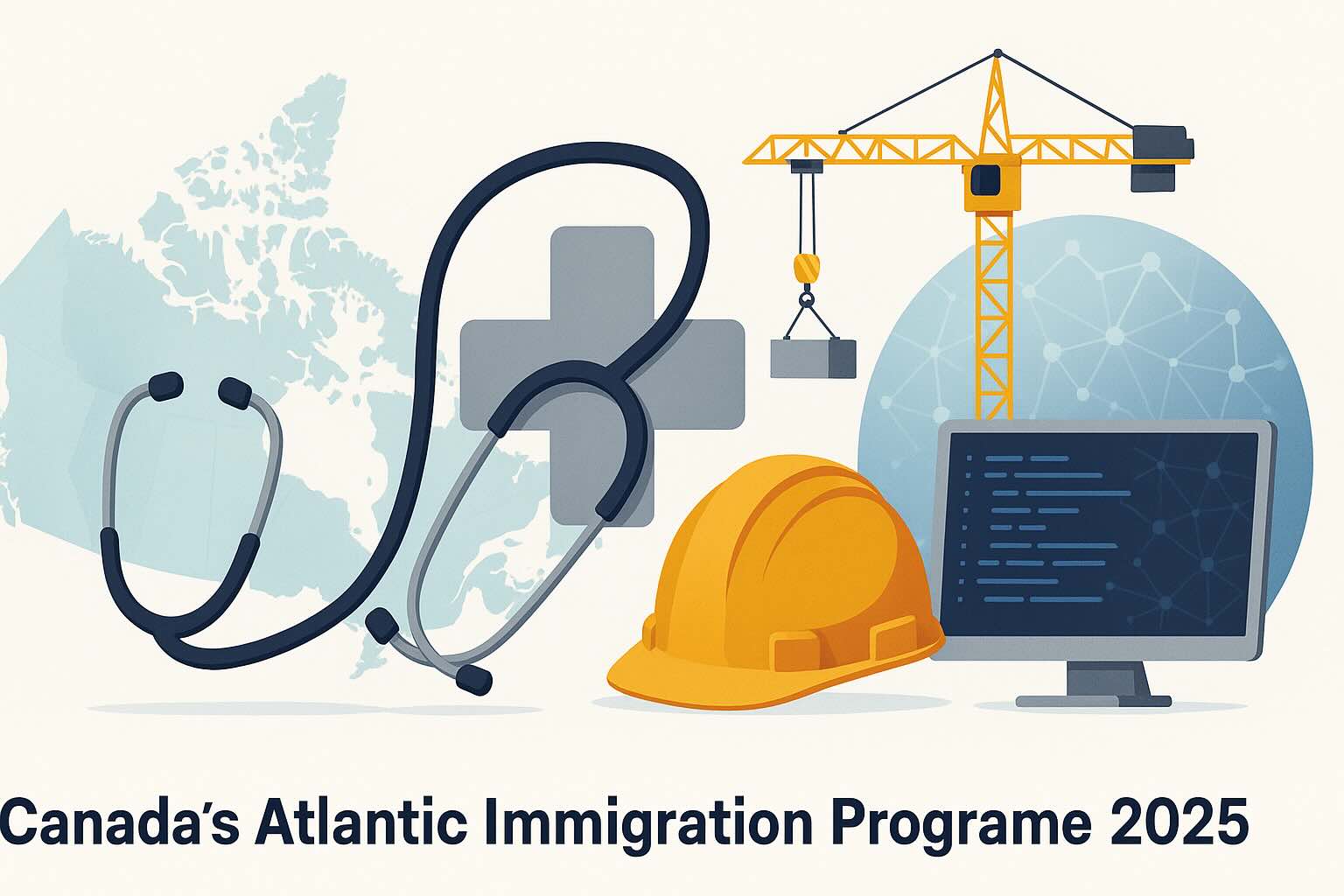
Canada's Atlantic Immigration Program: 2025 Updates See Provinces Prioritize Key Sectors and Occupations
In 2025, Canada's Atlantic Immigration Program (AIP) is entering a new strategic phase due to adjusted federal immigration allocations. To manage reduced quotas, the four Atlantic provinces are concentrating their resources on key sectors vital to their local economies. Healthcare, construction, and information technology have become focal points for attracting talent. This report provides an in-depth analysis of the latest priority sectors and occupations for each province, examines the alternative pathways available in New Brunswick following its AIP pause, and offers authoritative guidance for applicants planning to immigrate through this program in 2025.
08/21/2025

Nova Scotia Adjusts PNP Processing to Prioritize In-Province Applicants in Key Sectors
Nova Scotia's immigration authority issued an official notice on July 16, announcing an adjustment to its Provincial Nominee Program (NS PNP) application processing strategy. As the number of applications for 2025 has reached the annual allocation limit set by the federal government, the province has decided to shift its processing focus for the remainder of the year to applicants already working in the province whose work permits are set to expire in 2025, with a particular emphasis on professionals in the healthcare and construction sectors. This adjustment is a direct response to the federal government's reduced 2025 PNP allocation and will significantly impact various categories of applicants.
07/28/2025

Canada Tightens Temporary Foreign Worker Policy: 26 Major Cities Halt Processing of Low-Wage LMIA Applications
On July 11, the Canadian government updated its list of restricted regions for the Temporary Foreign Worker Program (TFWP). According to the latest directive, 26 Census Metropolitan Areas (CMAs) across the country will suspend the processing of "low-wage stream" Labour Market Impact Assessment (LMIA) applications due to unemployment rates at or exceeding the 6% threshold. This measure is a continuation of a policy announced by the federal government in early 2024, aimed at protecting job opportunities for local residents in areas with high unemployment. The expansion of this list, which includes major immigration destinations like Toronto and Vancouver, undoubtedly has profound implications for many foreign nationals and their employers seeking to obtain or extend work permits for low-wage positions.
07/12/2025

Major Overhaul of Canada's "Maintained Status" Immigration Rules Affects Multiple Applicants
Immigration, Refugees and Citizenship Canada (IRCC) recently announced significant revisions to the "Maintained Status" provisions for temporary residents, effective May 28, 2025. The new rules specify that if a temporary resident's initial extension application, submitted while on maintained status, is refused, a subsequent application filed after the expiry of their original permit will no longer automatically allow them to maintain legal status in Canada. This change has profound implications for temporary residents submitting multiple extension applications and requires close attention.
06/05/2025

Canada Lacks Direct "Gold Card": A Comprehensive Guide to Investor and Entrepreneur Immigration Pathways
Recent news of the U.S. planning a high-threshold "Gold Card" visa has sparked interest in whether Canada offers a similar pathway for directly purchasing permanent residency. Canada does not have such a "Gold Card"; its economic immigration programs primarily focus on attracting skilled talent rather than pure investment. However, Canada does provide several immigration streams for entrepreneurs and investors intending to establish or operate businesses within the country, leading to permanent residence. These include the federal Start-Up Visa Program, the unique Quebec Immigrant Investor Program, and various Provincial Nominee Programs for entrepreneurs.
04/04/2025