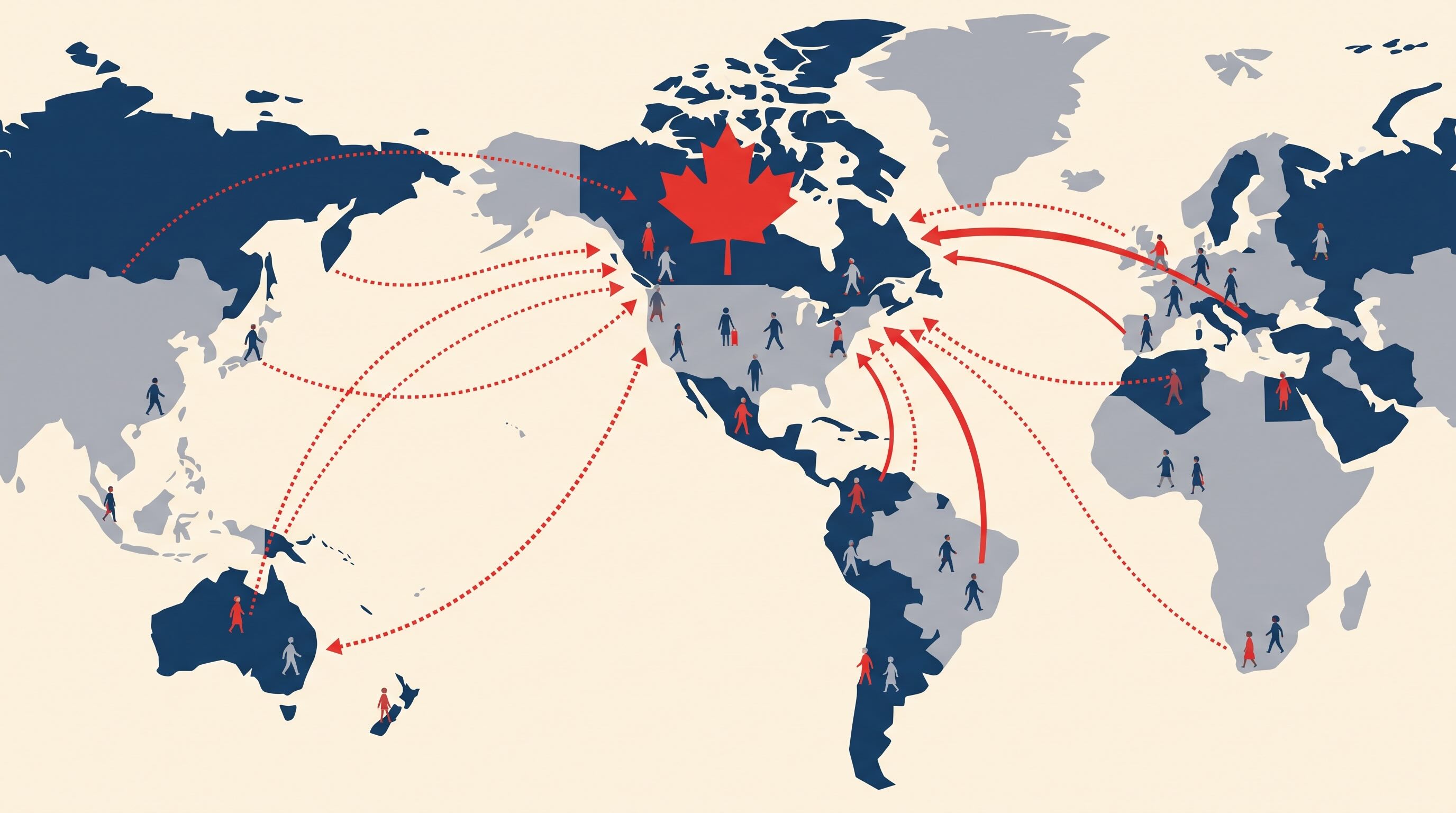
1. Introduction to Canada’s Business Immigration Programs
Canada’s business and investor immigration programs aim to attract applicants with innovation capacity, capital resources, or managerial experience. By starting, purchasing, or expanding businesses in Canada, applicants contribute to economic growth and job creation while gaining a pathway to permanent residence. Because these programs involve multi-layered eligibility, financial due diligence, regulatory compliance, and long-term commitments, many investors seek legal guidance early in the process.
2. Federal Start-Up Visa Program (Start-Up Visa, SUV)
1. Program Overview
The SUV is Canada’s flagship pathway for innovative entrepreneurs. Applicants who obtain a Letter of Support from a designated organization—such as a venture capital fund, angel investor group, or business incubator—may apply directly for permanent residence. Up to five co-founders may apply under the same project.
2. Key Eligibility Requirements
- Letter of Support from a designated organization
- Minimum 10% personal ownership and over 50% combined control with partners
- English or French at CLB 5
- Active management of the business in Canada
- Sufficient settlement funds (recommended at least CAD $200,000 per applicant)
Applicants may first come to Canada on a work permit while building their business, then proceed to PR.
3. Caps and Processing Updates
- Each designated organization is limited to 10 supported start-ups per year until 2026
- PR approval rates remain strong—over 77% in 2023
4. Why the SUV Process Is Complex
- High competition for Letters of Support
- Extensive due diligence by designated organizations
- Strict proof of innovation and commercial viability
- Mandatory updates to IRCC every six months
- Long-term operational commitments
Licensed immigration consultants or lawyers assist in preparing business plans, structuring ownership, communicating with designated organizations, and managing multi-year compliance requirements.
3. Other Federal Business Immigration Options
1. Federal Work Permits for Entrepreneurs
These pathways allow individuals to enter Canada temporarily to start or manage a business before applying for PR.
- C11 Entrepreneur Work Permit: For businesses that provide significant benefit to Canada
- Intra-Company Transfer (ICT): For expanding a foreign company into the Canadian market
- C10 Work Permit: For individuals offering notable cultural, social, or economic value
2. Federal Self-Employed Program
Designed for cultural and athletic professionals. The federal program is paused until 2027, but Quebec continues to accept applications.
4. Provincial Nominee Programs (PNPs) for Entrepreneurs
1. Common Requirements
Most provinces offer entrepreneur or investor streams requiring applicants to start or purchase a business and meet performance conditions.
Typical requirements include:
- Investments from CAD $100,000 to $600,000
- Net worth from CAD $300,000 to $1.5 million
- Active management role
- Job creation for Canadians
- Minimum language scores (usually CLB 4+)
2. Examples of Provincial Streams
- British Columbia: Min. investment $200,000; net worth $600,000
- Alberta: Streams for rural entrepreneurs, foreign graduates, and farm investors
- Manitoba: Entrepreneur and farm investor pathways
- Nova Scotia: Min. investment $150,000
- Prince Edward Island: Work-permit-based entrepreneur pathway
- Yukon: Min. investment $300,000
- Northwest Territories: $150,000–$300,000 depending on location
- New Brunswick: Min. investment $150,000 and net worth $500,000
3. Why Provincial Programs Are Complex
Each province uses a distinct scoring system, performance agreement, and reporting schedule. Licensed immigration consultants or lawyers help investors evaluate provinces, submit EOIs, review business purchase agreements, and maintain compliance for nomination.
5. Quebec Immigrant Investor Program (QIIP)
2025 Key Requirements
- Minimum net worth of CAD $2 million
- CAD $1 million passive investment for five years
- Non-refundable contribution of CAD $200,000
- High school education
- French proficiency at B2
- Six months of residence in Quebec within two years
- Management experience
Due to stringent source-of-funds verification and residency requirements, legal support is essential for compliance.
6. Why Business Immigration to Canada Is Complex
Business immigration involves:
- Multi-layered eligibility rules
- Language testing
- Ownership structure verification
- Large volumes of financial and legal documents
- Business viability assessments and due diligence
- Ongoing reporting to IRCC or provincial offices
- Long processing timelines
- Rapid policy changes
Any missing information or weak business plan can lead to delays or refusal. Legal advisors help applicants avoid errors and protect their investment.
7. Step-by-Step Application Guide
- Identify the appropriate program (investment amount, goals, location, language skills)
- Develop a business concept or identify a business for purchase
- Obtain necessary approvals (Letter of Support, provincial invitation, agreements)
- Prepare documents (business plans, financial documents, incorporation records, test results)
- Submit your application
- Enter Canada on a work permit and begin operations
- Fulfill performance and reporting requirements
- Apply for permanent residence
8. Frequently Asked Questions (FAQ)
Can I obtain PR by buying a business?
Yes. Many PNP entrepreneur streams allow business acquisition, but investors must meet investment thresholds, create jobs, and operate the business actively.
Is the Start-Up Visa the easiest investor pathway?
Not necessarily. Although approval rates are high, Letters of Support are competitive, and processing is lengthy.
How much must I invest to immigrate?
Investments range from $100,000 in rural programs to $1 million under QIIP. SUV has no fixed investment amount but requires substantial capital to operate the business.
Do I need to live in Canada to manage the business?
Most programs require physical presence and active management. QIIP does not require running a business but still requires six months of residence.
Why should I hire an immigration consultant or lawyer?
Business immigration involves complex legal, financial, and compliance requirements. A licensed immigration consultant or lawyer ensures structural compliance and reduces risk.